The Islands
Praslin
The feel of it
Praslin is 38 square kilometres of granite and endemic forest, fifteen minutes by air from Mahé and the right base for guests who want depth in a single island rather than the hurried movement between them. It has two things that no other place on earth has: the Vallée de Mai and Anse Lazio. Either one alone would be reason enough to come. Together, they make Praslin the island we return to most often.
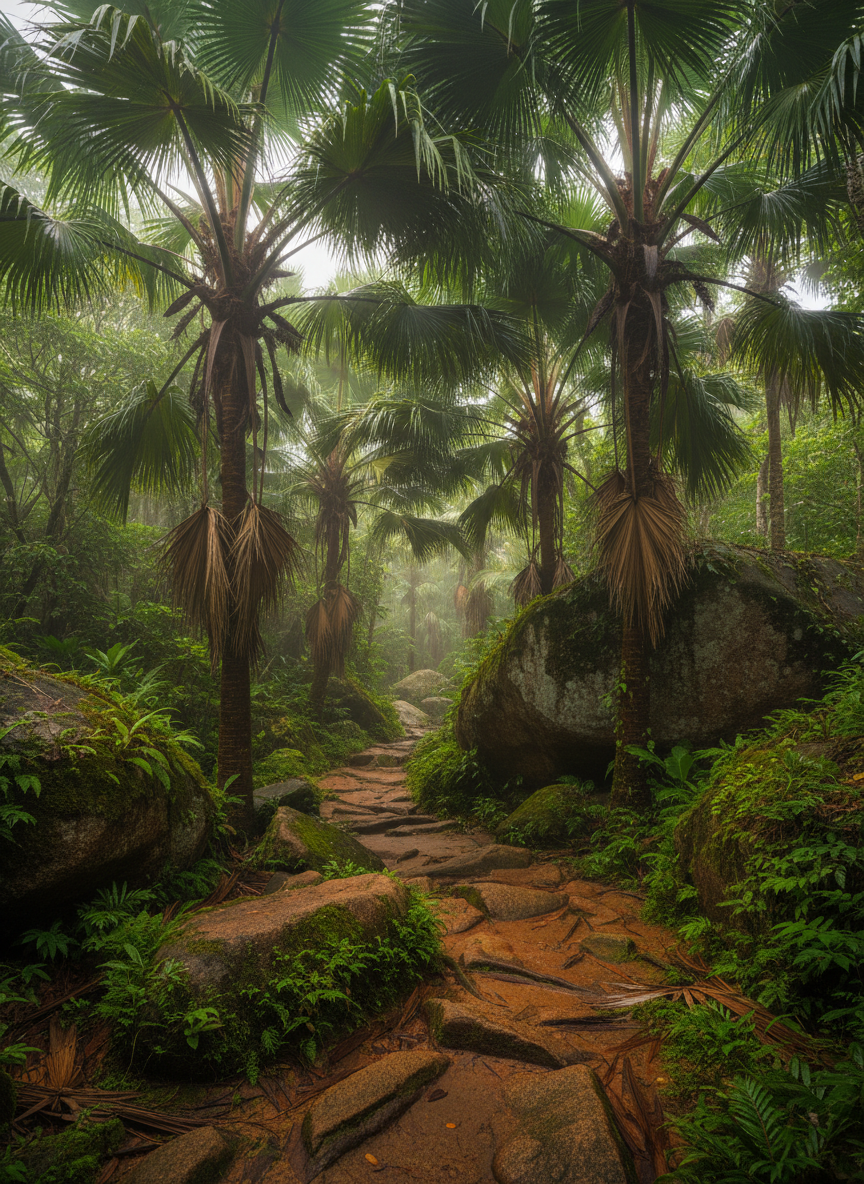
The Vallée de Mai is a primary forest of coco-de-mer palms that has been standing since before humans arrived in the Seychelles. The SIF manages it under UNESCO World Heritage protection, and access is via guided walk only — which is the right way, because the wardens know things about the individual palms and the nesting habits of the Seychelles black parrot that no printed guide can tell you. The coco-de-mer, with its double-lobed nut that can weigh 25 kilograms and takes seven years to germinate, is one of the most extraordinary plants in the botanical world. Standing among them in the early morning, before the day-trippers arrive, you understand what a forest looked like before human convenience began to simplify it.
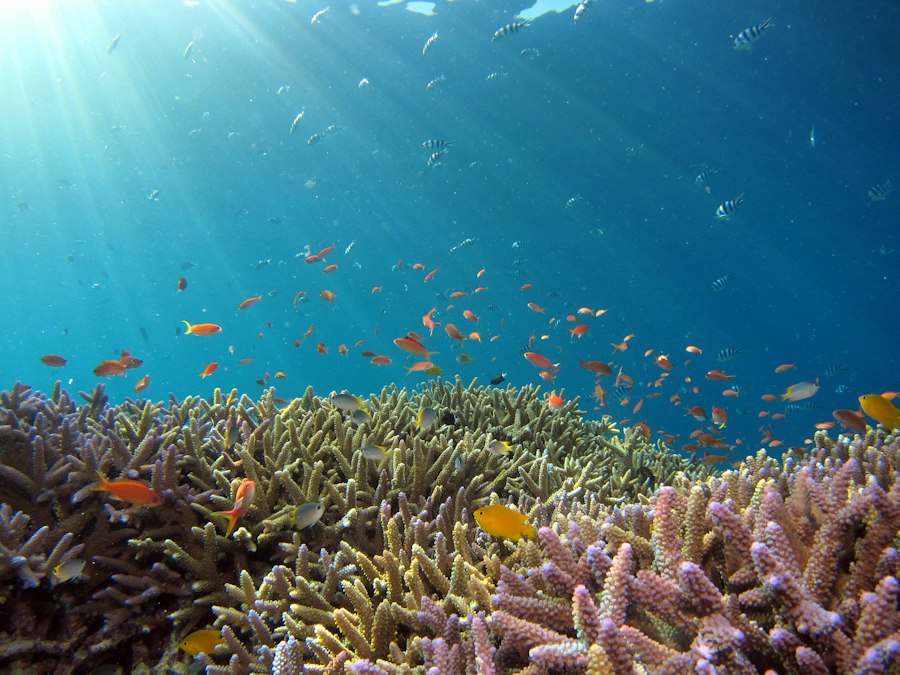
Anse Lazio faces northwest, which means it catches the trade wind during the day and goes glassy at dusk. The reef directly off the beach starts in knee-deep water — one of the only beaches in the Seychelles where you can snorkel without a boat. The Seychelles black parrot occasionally crosses the bay in the early morning, its dark silhouette above the granite. Most guests do not notice. Ours do.
Curieuse, a twenty-minute boat ride north of Praslin, is a national park and a giant tortoise sanctuary. It is also the only other place in the world — apart from the Vallée de Mai — where wild coco-de-mer palms grow. We include it in most Praslin itineraries as a full-day excursion: the walk across the champignon limestone, the tortoise population, lunch with local guides at the ranger station, and the boat back in the late afternoon.

Size
38 km²
Geology
Granitic
Best season
April–May, October
How to reach
15 min domestic flight or 1 hr ferry from Mahé
In depth
Understanding Praslin
History
Praslin was first surveyed by the French in 1744 and settled in the 1780s by colonists who established copra and vanilla plantations in the valleys. The Vallée de Mai — now a UNESCO World Heritage Site — was long believed by early European settlers to be the original Garden of Eden: the coco-de-mer, with its extraordinary double-lobed nut, was taken as evidence that the island had been touched by something beyond the ordinary. General Charles Gordon of Khartoum, who visited in 1881, was among the most prominent advocates of this theory, which was eventually set aside by botanists and geographers but left the island with a mythology it has never quite shaken. Under French and later British administration, Praslin remained an agricultural island. After independence in 1976, tourism became its primary industry — a transition that accelerated through the 1990s and 2000s as the island's beaches gained international recognition.
What to do — by appetite
Sea
- Anse Lazio snorkelling — reef directly off the beach
- Boat trips to Curieuse and St. Pierre islet
- Sunset sailing from Côte d'Or bay
Land
- UNESCO Vallée de Mai guided walk
- Hiking to Anse Georgette through the Lémuria resort grounds
- Cycling the east coast road at dawn
Culture
- Coco-de-mer nut permit purchase at the official SIF shop
- Local lunch at a family-run restaurant in Baie Sainte Anne
- Black parrot spotting at the Vallée — Seychelles' national bird
Endemic species & notable ecology
- Seychelles black parrot
- Coco-de-mer palm
- Seychelles bulbul
- Green turtle (nesting)
Begin a conversation about Praslin.
Begin a conversation