The Islands
North Island
The feel of it
North Island is 201 hectares of granitic island in the inner archipelago, 20 minutes by helicopter from Mahé. By the mid-twentieth century, decades of copra farming had stripped the native vegetation almost entirely. The island was degraded — its endemic birds gone, its forest replaced by coconut monoculture, its beaches cleaned but its ecology broken.
Since 1997, the restoration has been systematic and serious. 350,000 endemic trees have been planted. Invasive species — including cats, rats, and several plant species — have been removed over sustained programmes that took years. The Seychelles white-eye has been reintroduced and is now breeding. The Seychelles magpie-robin, once among the most endangered birds in the world, has a stable population on the island. The giant tortoise population exceeds 3,000 individuals. The island now sounds the way the Seychelles sounded before humans arrived: the calls of endemic birds from before first light, the rustling of endemic trees in a sea wind that has no development to filter through.
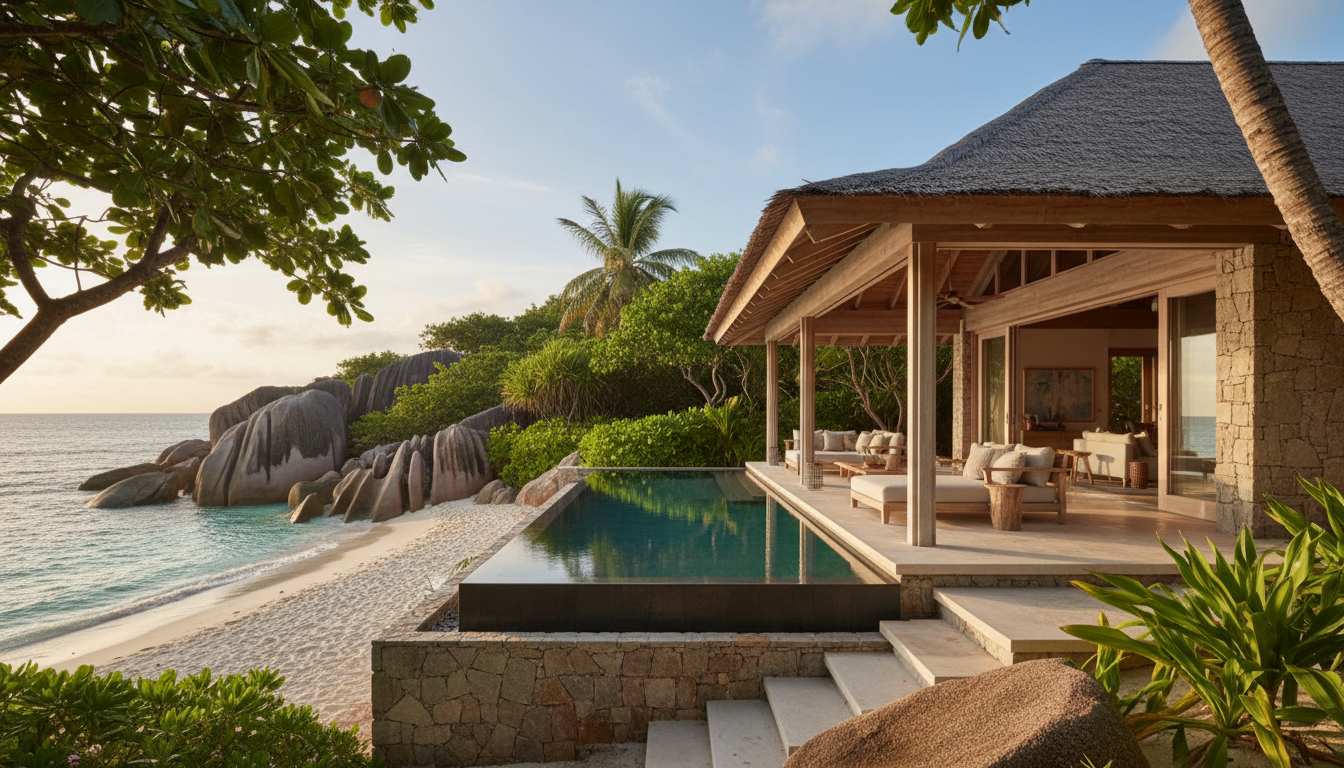
The eleven villas are large — 450 square metres each — and positioned to give each guest their own beach, their own view, and the feeling of having the island to themselves even when it is fully occupied. The staff ratio is four to one. The marine biologist is on the island permanently. The conservation manager runs morning walks that are among the most extraordinary natural history experiences available anywhere in the Indian Ocean.
North Island is the property we recommend when nothing less than complete immersion will do — in the landscape, the conservation, and a standard of service that has been designed around the idea that the best luxury is the absence of anything unnecessary.

Size
201 hectares
Geology
Granitic
Best season
October–April for calmest seas
How to reach
20 min helicopter from Mahé
In depth
Understanding North Island
History
North Island was settled by French colonists in the late eighteenth century and used as a copra plantation through the colonial period. By the 1970s the plantation had been abandoned and the island sold into private ownership. Decades of agricultural monoculture had replaced the native coco-de-mer and takamaka forest with coconut palms, and the endemic bird species that had once inhabited the island had disappeared entirely. In 1997, a South African conservation group acquired the island with the explicit intention of restoring it ecologically while developing a small, ultra-luxury resort. The restoration programme — one of the most ambitious private island ecological restoration projects ever undertaken — began immediately and has continued without interruption since. The island has become a case study referenced in conservation literature on island ecosystem recovery.
What to do — by appetite
Sea
- House reef snorkel with the resident marine biologist
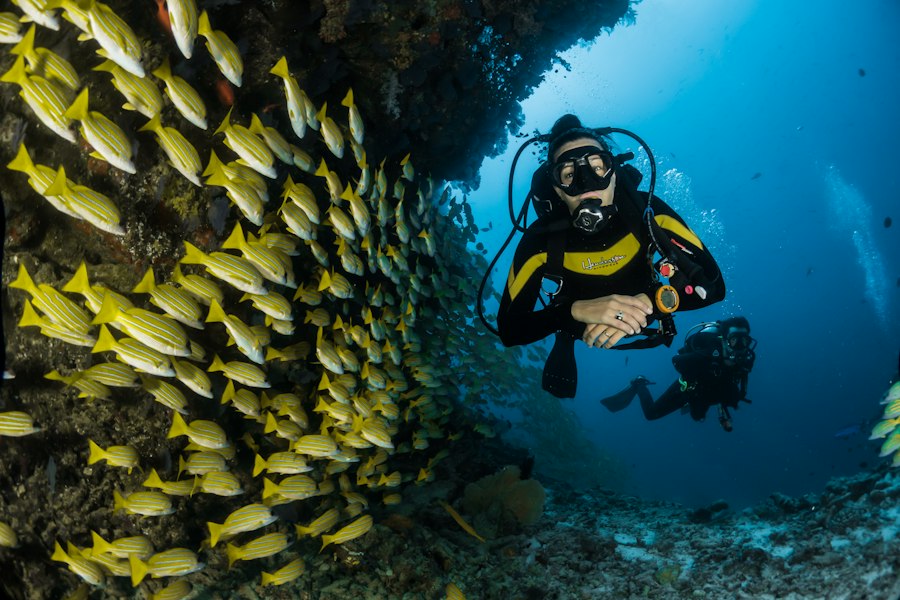
- PADI diving from the island's own dive centre
- Sunset sail around the island's northern granite point
Land
- Giant tortoise walk with the conservation manager
- Island-wide restoration briefing with the SIF warden
- Bush dinner under the takamaka canopy
Culture
- Conservation morning — endemic tree planting or bird survey
- Private yoga on Anse d'Est
- Chef's table dinner on the beach
Endemic species & notable ecology
- Seychelles white-eye (reintroduced)
- Giant Aldabra tortoise (3,000+)
- Seychelles magpie-robin
- Hawksbill turtle
Begin a conversation about North Island.
Begin a conversation