The Islands
La Digue
The feel of it
La Digue is four kilometres long, reached by a fifteen-minute ferry from Praslin, and governed by bicycles, ox carts, and a pace of life that the rest of the world gave up in the 1950s. There are no traffic lights. There is no reason for any. The loudest sound at dusk is the Seychelles paradise flycatcher, the endemic bird with the tail that trails behind it like a pennant in the wind, and the creak of a coconut palm in the southerly breeze.
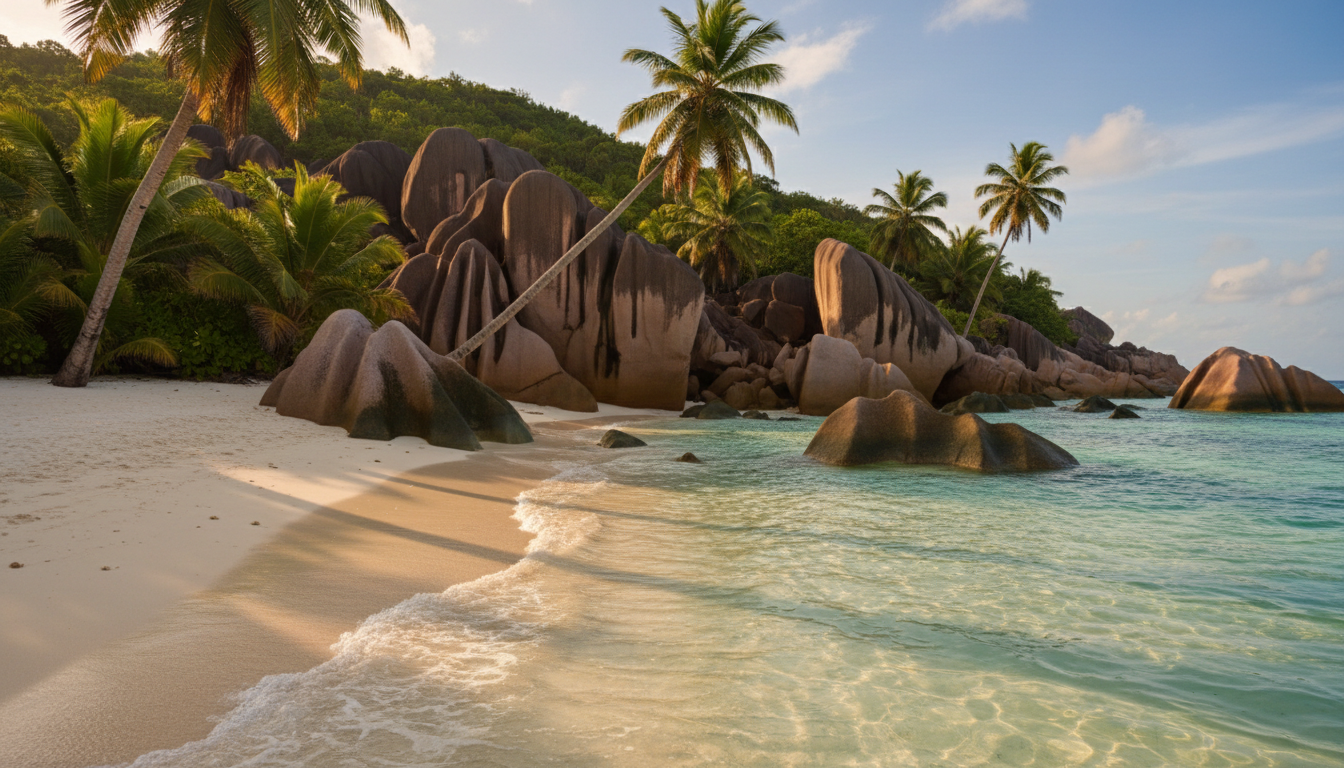
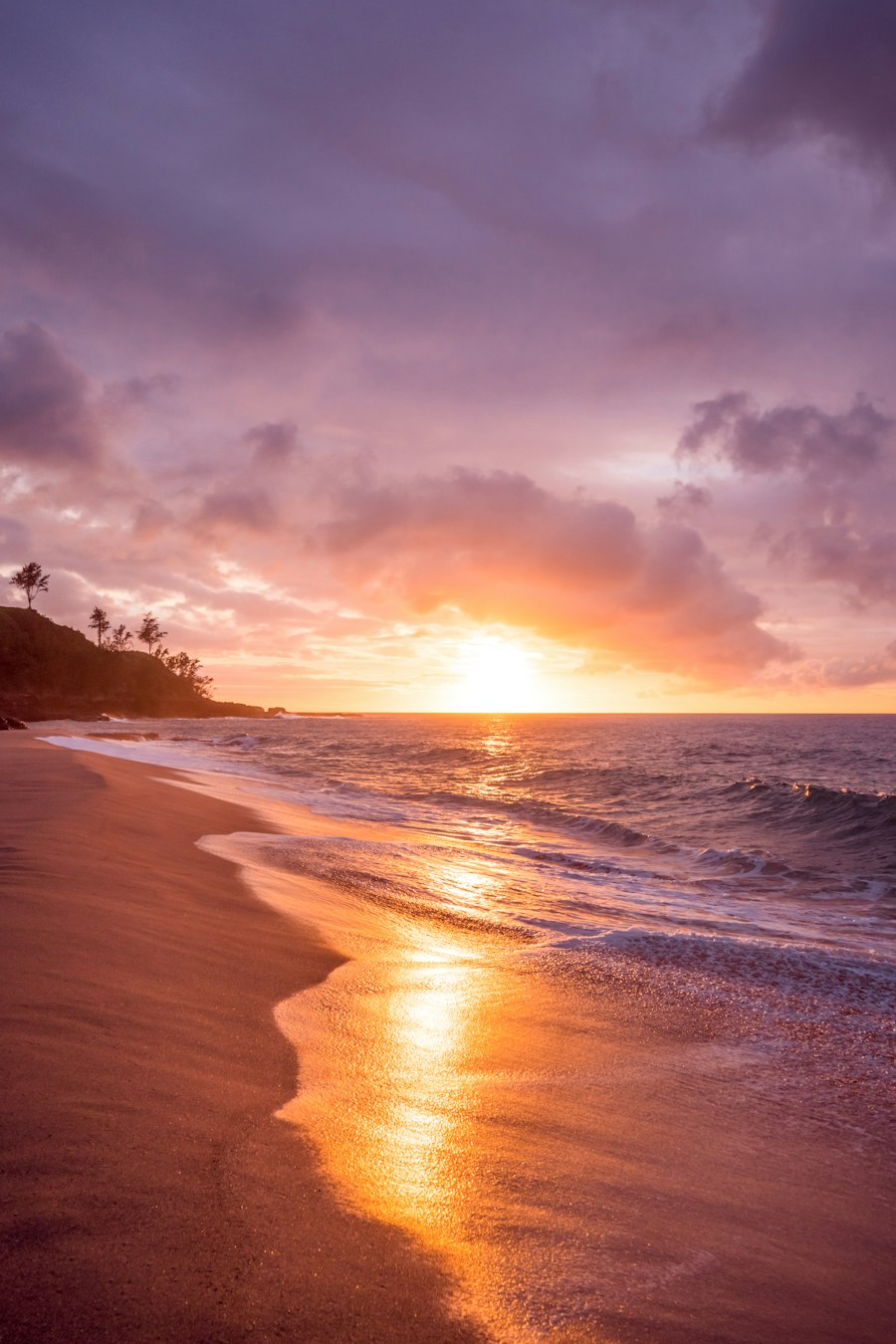
Anse Source d'Argent is here — the beach with the granite boulders that photographers have been trying to improve upon for a hundred years. They cannot. The light in the late afternoon, when it catches the orange stone and turns the sea to something between turquoise and jade, is the kind of light that makes guests who have seen every beach in the world go very quiet. We have watched it happen. We find it reassuring.
The interior of La Digue rewards those who leave the beach. L'Union Estate, an old copra plantation, still has its working press, its giant tortoise pen, and its colonial manager's house. The road to Grand Anse on the far side of the island passes through a native forest that smells of vanilla and damp granite. Nid d'Aigle, the island's highest point at 333 metres, gives you the whole geography of the inner islands on a clear morning — Praslin to the west, Félicité to the southeast, Mahé faint on the horizon.
La Digue is the island we put in nearly every itinerary. It is not the most dramatic island in the Seychelles. It is the most itself.
Size
10 km²
Geology
Granitic
Best season
April–May, October–November
How to reach
15 min ferry from Praslin
In depth
Understanding La Digue
History
La Digue was named by the French explorer Lazare Picault during his 1744 expedition, after one of his ships. French settlers arrived in the 1790s, establishing coconut and vanilla plantations that defined the island's economy for over a century. The colonial estate at L'Union — still standing and open to visitors — was one of the most productive copra operations in the inner islands. Under British administration from 1810, La Digue remained an agricultural outpost, its small population engaged in fishing, boatbuilding, and plantation labour. Independence in 1976 brought the island under the governance of the new Republic of Seychelles, but its pace barely changed. It is one of the few places in the world where the transition from colonial agriculture to twenty-first-century tourism happened slowly enough that both remain visible simultaneously.
What to do — by appetite
Sea
- Snorkelling at Anse Patates
- Kayaking the west coast
- Sunset sailing from La Passe jetty
Land
- Cycling to Grand Anse
- Hiking Nid d'Aigle for panoramic views
- Visiting L'Union Estate and the old coconut press
Culture
- Ox-cart ride through La Passe
- Creole cooking with a local family
- Visiting the boatyard at low tide
Endemic species & notable ecology
- Seychelles paradise flycatcher
- Giant Aldabra tortoise (introduced)
- Seychelles fruit bat
- Hawksbill turtle (nesting)
Begin a conversation about La Digue.
Begin a conversation