The Islands
Alphonse
The feel of it
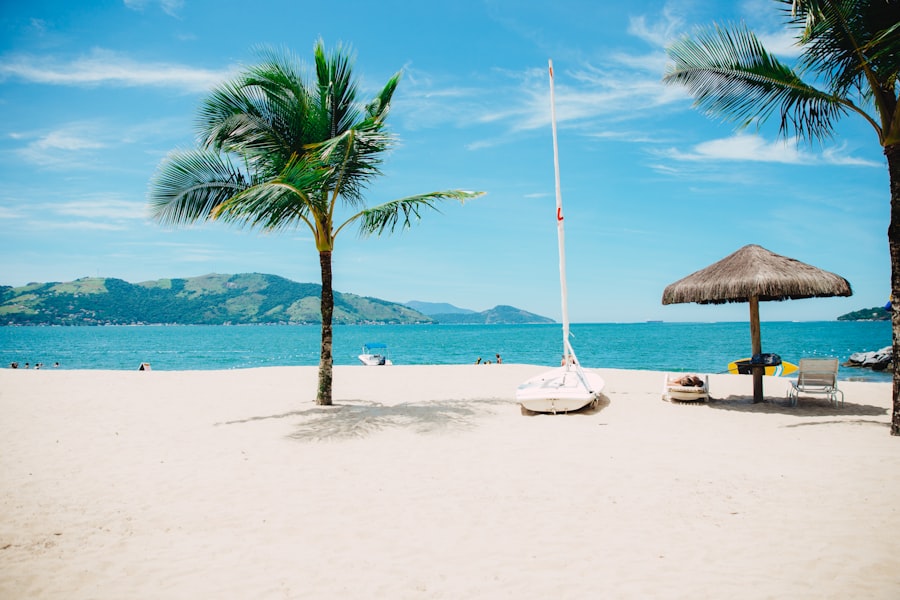
Alphonse sits on the edge of the Seychelles Bank, 280 kilometres from Mahé, where the continental shelf drops from a few metres to several thousand. The island is 1.7 square kilometres of coralline atoll — flat, circular, bordered by a lagoon on the west and an open-ocean flat on the east. There are no hills, no mountains, no elevation of any kind. The horizon is a perfect line in every direction. The sky here is larger than it is anywhere else you are likely to have stood.
The eastern flat is the reason most serious guests come. In gin-clear water over white sand, bonefish — the species that fly-fishers pursue for a combination of speed, wariness, and technical difficulty that defies rational explanation to anyone who has not felt the take — move in tailing schools that can be spotted from fifty metres. The head guide at Alphonse, Jean-François, has been reading this flat since he was twelve. He knows the tide tables the way some people know their children's schedules, and he positions a skiff where the fish will be twenty minutes before they arrive. We have watched him do it and stopped being surprised.
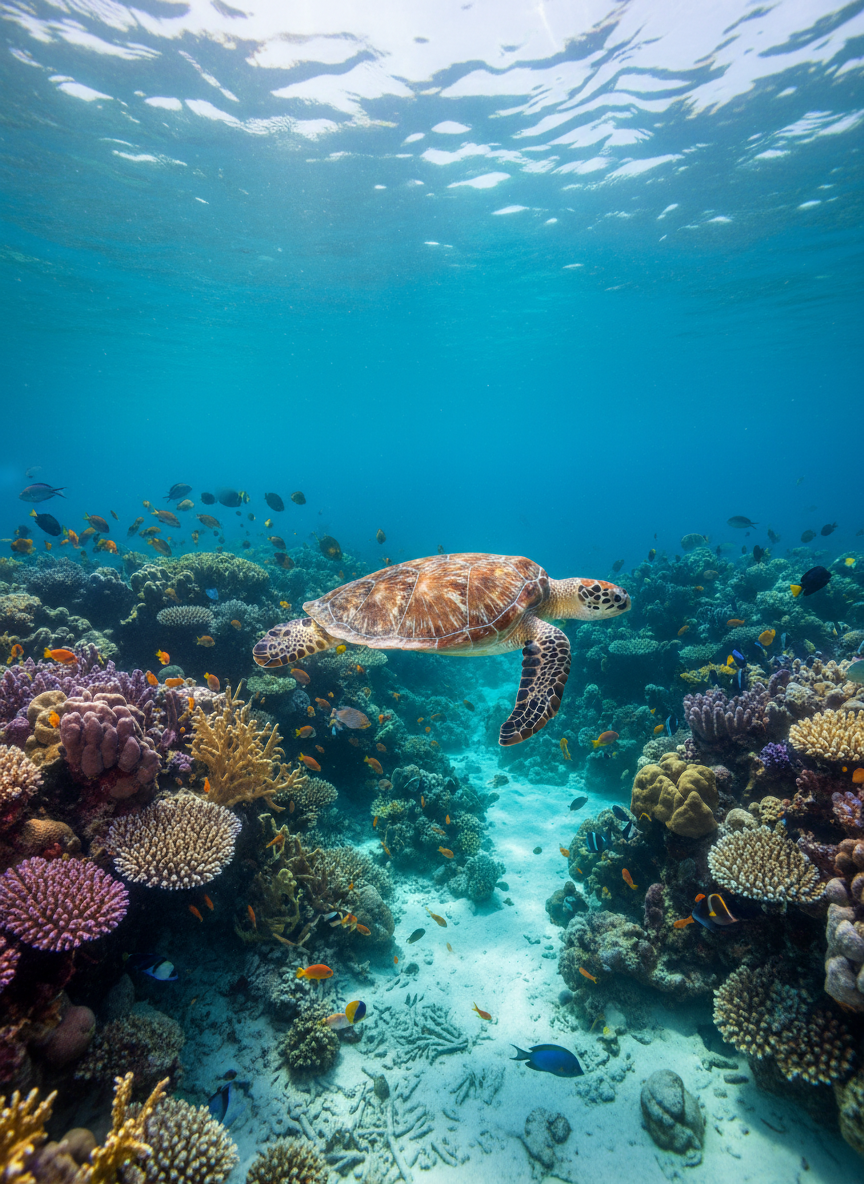
The diving on Alphonse is less well known and possibly better than the fishing. The outer reef drop-off, within twenty minutes by boat, falls away into deep ocean that brings up large pelagic species — Napoleon wrasse, hammerhead sharks, schools of tuna in the southeast season. The lagoon, by contrast, has nurse sharks and hawksbill turtles moving in water that rarely exceeds two metres. It is where we take non-diving guests who want to understand what the ocean feels like from inside it.
Alphonse is not a destination for everyone. It is remote, it is simple in its infrastructure, and it rewards guests who have come for the flat and the reef and are content to let those things fill the week. For guests who have — it is the best week in the Seychelles.


Size
1.7 km²
Geology
Coralline atoll
Best season
October–April for fly-fishing
How to reach
45 min charter flight from Mahé
In depth
Understanding Alphonse
History
Alphonse is named after Alphonse Ujdesky, an early nineteenth-century mariner associated with the island's first recorded survey. Like most of the outer coralline islands, it was used by passing vessels for provisioning — its abundant seabird and turtle population made it a convenient stop — and later exploited for copra and guano. A small coconut plantation operated through the mid-twentieth century. In the 1980s the island was developed as a small fishing lodge, and subsequent investment has built it into the specialist fly-fishing and diving destination it is today, while preserving its essentially simple, remote character.
What to do — by appetite
Sea
- Fly-fishing on the eastern flat — bonefish, permit, triggerfish
- Outer reef diving — the drop-off is within twenty minutes by boat
- Snorkelling the lagoon — turtles and reef sharks in shallow water
Land
- Cycling the island perimeter — the entire loop is 5 kilometres
- Sunrise birdwatching — fairy terns and lesser noddies nest on the island
- Conservation morning with the island naturalist
Culture
- Sundowner at the lodge bar — the community of fly-fishers here is its own culture
- Catch-and-release debrief with your guide
- Creole dinner at the island restaurant
Endemic species & notable ecology
- Bonefish
- Permit
- Giant trevally
- Hawksbill turtle
- Lesser noddy
Begin a conversation about Alphonse.
Begin a conversation