
The Islands
Aldabra
The feel of it
Aldabra is 1,100 kilometres from Mahé. There are no commercial flights, no hotels, no scheduled services of any kind. Access requires a research permit issued by the Seychelles Islands Foundation at its discretion, a seaworthy expedition vessel, and a two-day ocean crossing in each direction. The SIF research station on the atoll — the only permanent human habitation — houses a small team of scientists whose work represents one of the most important long-term ecological datasets in the Indian Ocean.
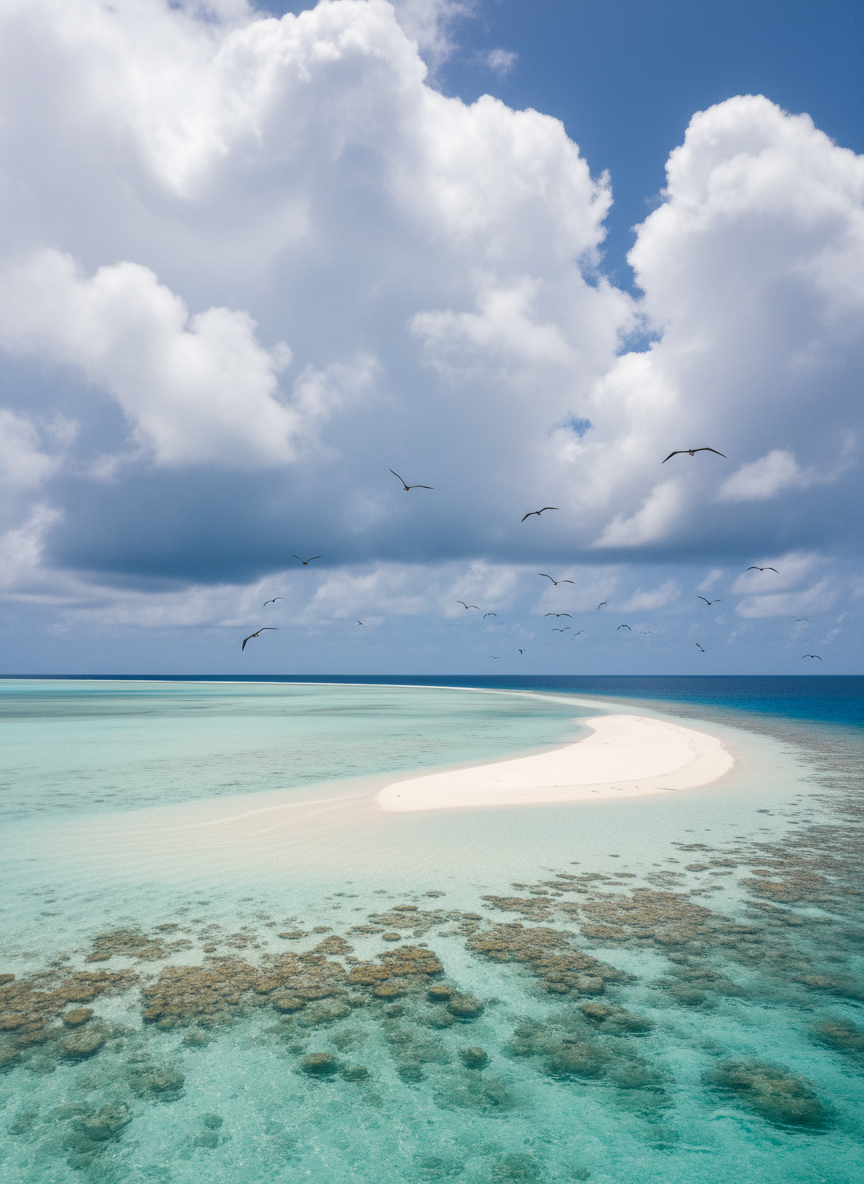
The atoll is 155,000 hectares, including the lagoon. The raised champignon limestone — ancient coral, fossilised and eroded into an extraordinary razor-sharp surface — covers the land rim of the atoll and makes walking here a technical exercise requiring careful footwork and a guide who has done it before. The lagoon, enclosed by the rim, is one of the largest in the world: its tidal channel, where incoming and outgoing water meets, creates currents so powerful that diving here requires specific certification and briefing.
There are approximately 100,000 giant Aldabra tortoises on the atoll — more than on the Galapagos, more than anywhere else on earth. They are not enclosed, managed, or presented. They are wild, distributed across the entire land mass, and they interact with visitors with the indifference of animals that have no learned fear of humans. Standing among them in the early morning, when the population moves towards the feeding areas, is one of the genuinely unrepeatable experiences we are able to offer.
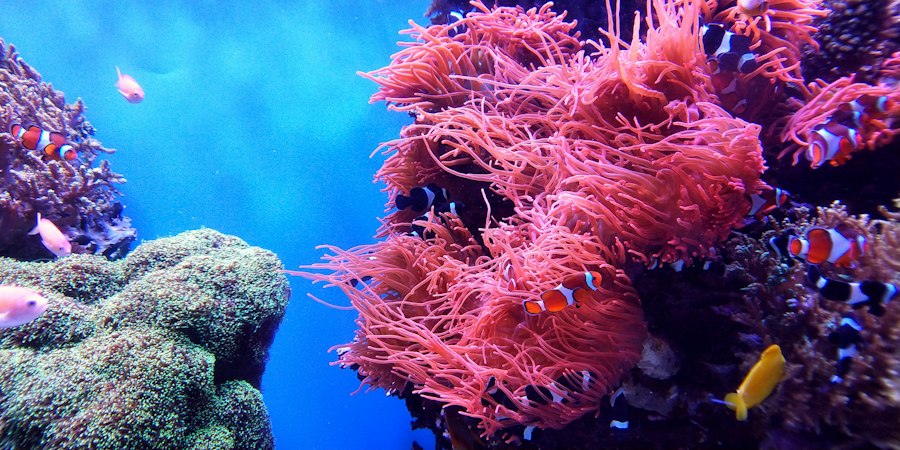
Aldabra also hosts the world's largest colony of lesser frigatebirds, the Abbott's booby — found nowhere else — and one of the healthiest coral reef systems in the Indian Ocean, attributed to its remoteness from human activity and the protection of its UNESCO and Ramsar designations. We have been taking guests here since 2026. We are careful about who we take, because the place deserves care. If you are ready for it, it is unlike anything else.

Size
155,400 hectares (lagoon included)
Geology
Raised coral atoll
Best season
April–September (dry season)
How to reach
2-day crossing by expedition vessel from Mahé
In depth
Understanding Aldabra
History
Aldabra was known to Arab navigators by the ninth century and appears in early Portuguese charts. It was never permanently settled — its remoteness, its sharp limestone terrain, and the absence of fresh water made agricultural exploitation impractical. In the nineteenth century, it attracted guano collectors and tortoise hunters, who reduced the tortoise population significantly before protections were introduced. In 1874, a proposal to establish a British naval coaling station on Aldabra triggered one of the earliest organised conservation campaigns in history, led by Charles Darwin and the Royal Society, who successfully argued for its preservation. In 1967, a second proposal — this time for an Anglo-American military base — was again resisted, and Aldabra was instead placed under scientific protection. UNESCO designated it a World Heritage Site in 1982. The Seychelles Islands Foundation has managed it since 1979.
What to do — by appetite
Sea
- Lagoon dinghy tour with SIF warden
- Outer reef diving — sharks, rays, pelagic species
- Snorkelling the inner lagoon — green turtles in extraordinary numbers
Land
- Champignon limestone walk — the ancient fossilised coral surface of the atoll
- Giant tortoise observation — 100,000 individuals on the atoll
- Endemic bird survey with the SIF research team
Culture
- SIF research station visit — the only human habitation on the atoll
- Contribution to long-term scientific monitoring data
- Open-ocean night sailing on the return crossing
Endemic species & notable ecology
- Giant Aldabra tortoise (100,000+)
- World's largest colony of lesser frigate birds
- Abbott's booby
- Aldabra drongo
- Green turtle
Begin a conversation about Aldabra.
Begin a conversation